Source Built Battery Glossmeter for Wood, Stone, and Plastic Testing
Find and compare 30 built battery glossmeter models from China. Evaluate options with digital displays, manual control, and various measuring ranges to suit paint, woodwork, stone, and plastic testing needs.
Key considerations
Products List


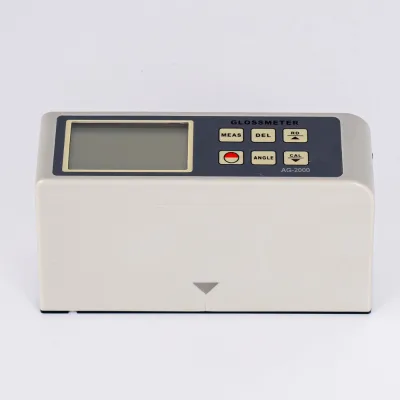


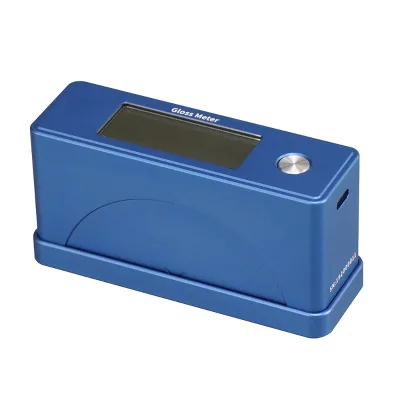
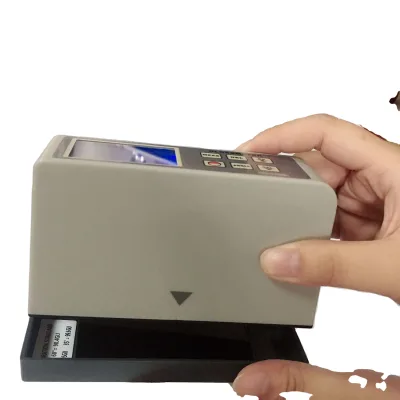
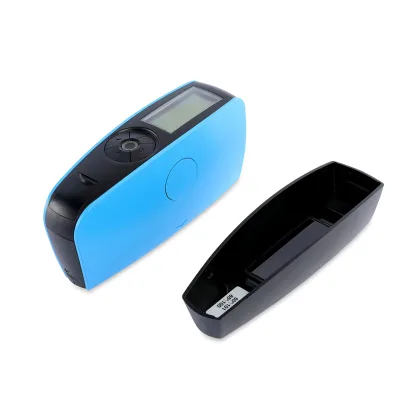
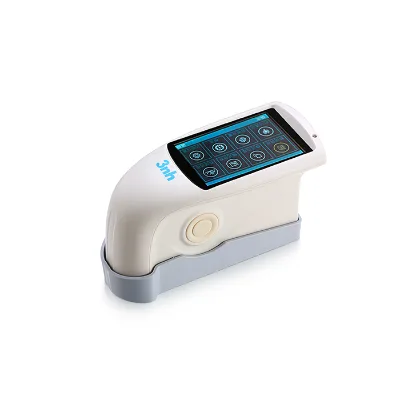
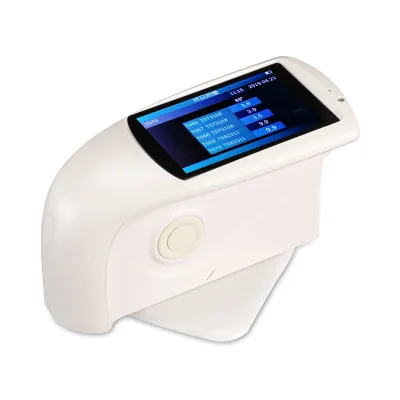
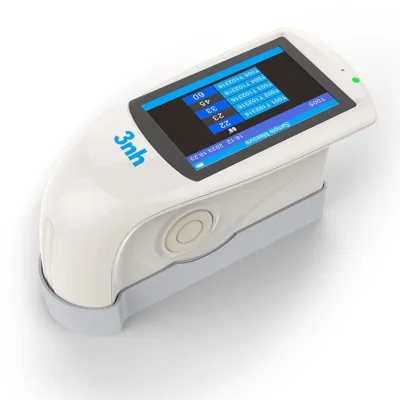
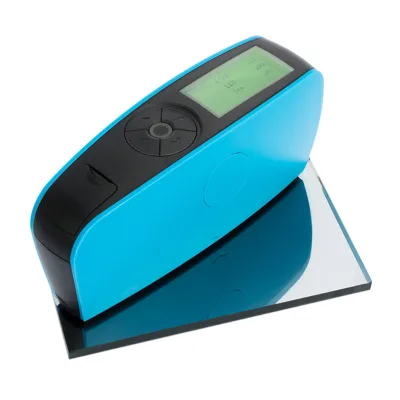
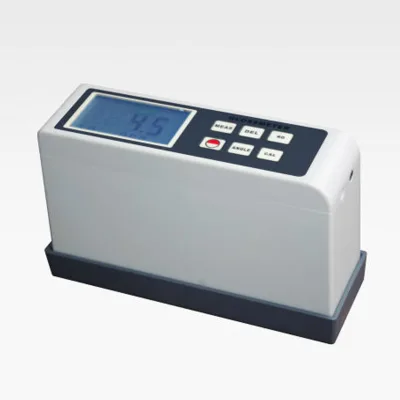
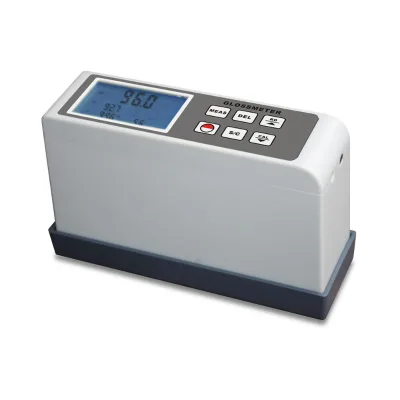
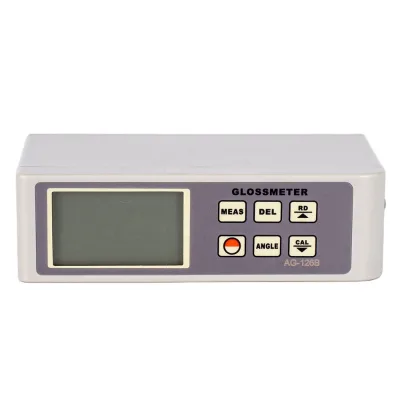


Comprehensive Sourcing Guide
Built Battery Glossmeter Sourcing Guide
Sourcing a built battery glossmeter requires a strategic approach that balances portability with the rigorous accuracy demands of surface finish analysis. These instruments are specifically designed for field applications where access to mains power is limited, such as on production lines, in warehouses, or during on-site quality audits for woodwork, stone, plastic, and paper industries. The presence of an integrated battery allows for immediate, one-click power-on functionality, ensuring that operators can perform rapid assessments without the logistical burden of external power sources or charging cables during critical testing windows.
Buyers must recognize that the "built battery" feature is not merely a convenience but a critical operational constraint that influences the total cost of ownership and long-term reliability. While the device offers the flexibility of manual control and digital display for real-time data reading, the internal power source dictates the frequency of maintenance and the potential for performance drift over time. Procurement decisions should therefore prioritize models that demonstrate stable battery performance across the full range of test angles, ensuring that the instrument maintains its specified accuracy and repeatability even as the battery charge depletes during extended field use.
Product Scope and Observed Listing Signals
The market for built battery glossmeters presents a diverse range of specifications, with observed listing prices varying significantly from $80 to $4,000 USD depending on the complexity of the optical system and the precision of the internal components. This wide price spectrum reflects differences in measuring ranges, where some units cover 0-199.5 GU while others extend to 0-2000 GU across multiple angles, and variations in resolution that can be as fine as 0.1 GU or as broad as 1 GU. Buyers should carefully correlate the price point with the specific measuring range and resolution required for their target materials, as higher-priced units typically offer superior stability and compliance with first-class gloss standards.
Listing signals also reveal distinct physical and operational characteristics that define the product scope, including weight variations from 720 grams to units capable of handling workpieces over 20,000 kg in broader testing contexts, though the glossmeter itself is generally a handheld device. The observed data indicates that these instruments often come in beige or grey enclosures, packed in cartons, and are manufactured in China with R&D capabilities supporting OEM and ODM customization. When evaluating listings, buyers should verify the specific model number, such as the WGG60 series, to ensure the device matches the intended application, whether it is for testing paint on wood or assessing the surface finish of non-metallic materials.
Technical Specifications to Verify
The core technical verification for a built battery glossmeter centers on the measuring range and resolution, which must align with the specific gloss levels of the materials being tested. For high-gloss surfaces, a unit capable of measuring 0-2000 GU at a 20-degree angle is essential, while lower gloss materials may require the 60-degree or 85-degree ranges with their respective limits of 1000 GU and 160 GU. Buyers must confirm that the device offers the necessary resolution, such as 0.1 GU or 0.5 GU, to detect subtle variations in surface finish, and that the stability is maintained at 0.1 GU to ensure consistent readings over time.
Operational specifications such as test time, repeatability, and test modes are equally critical for ensuring data integrity in a procurement context. A high-performance unit should complete a test in less than one second and offer multiple test modes, including simple, standard, and sample testing modes, to accommodate different workflow requirements. Repeatability figures, which may vary from 0.2 GU for lower ranges to 0.2% for higher ranges, serve as a key indicator of the instrument's reliability, and buyers should verify that the device conforms to the JJG 696 Standard for First Class Gloss to guarantee that the measurements are legally and technically defensible.
Compliance and Safety Documentation
Compliance documentation for built battery glossmeters must include a comprehensive set of certifications that validate the electrical safety and environmental standards of the device. The supplied facts indicate that reputable models often carry Rosh, CE, Pop, and Reach certifications, which are essential for ensuring that the product meets international safety and environmental regulations. These certifications are particularly important for the charger input, which typically accepts AC 100-250V, ensuring that the device can be safely charged in various global markets without risking electrical hazards or non-compliance with local regulations.
Beyond electrical safety, buyers should verify that the product adheres to specific accuracy standards and regulatory grading requirements. The observed data suggests that some units are classified as Level 1 Regulation Grading, which implies a high degree of precision and adherence to national or international metrology standards. It is crucial for procurement teams to request the full certificate of conformity and ensure that the device's accuracy claims, such as conforming to the JJG 696 Standard, are backed by valid documentation from recognized testing bodies, rather than relying solely on manufacturer assertions.
Cost Drivers and Commercial Terms
The cost of a built battery glossmeter is driven by several key factors, including the complexity of the optical system, the range of test angles supported, and the precision of the internal sensors. Units that support multiple test angles (20°, 60°, 85°) with corresponding light spot dimensions and extended measuring ranges typically command a higher price due to the advanced engineering required to maintain accuracy across these diverse conditions. Additionally, the inclusion of features like one-click calibration and a built-in battery adds to the manufacturing cost, which is reflected in the observed price range of $80 to $4,000 USD.
Commercial terms such as Minimum Order Quantity (MOQ) and packaging requirements also play a significant role in the total procurement cost. The observed MOQ range of 1 to 200 units allows for flexibility, enabling buyers to purchase single units for pilot testing or larger batches for fleet deployment. Packaging is typically standardized in cartons, with dimensions varying based on the specific model, and buyers should factor in the logistics of shipping these units, especially if they are sourcing from China. Understanding these commercial variables helps in negotiating better terms and ensuring that the total cost of ownership remains within budget while meeting operational needs.
Supplier Qualification and Quality Control
Supplier qualification for built battery glossmeters should focus on verifying the manufacturer's R&D capacity and their ability to provide OEM or ODM customization services. The presence of R&D capabilities indicates that the supplier is not merely a reseller but an active participant in the development and refinement of the product, which is crucial for ensuring long-term support and technical updates. Buyers should request evidence of the supplier's manufacturing processes and quality control measures to confirm that the devices are produced consistently and meet the specified standards for accuracy and stability.
Quality control checks must extend beyond the initial purchase to include ongoing verification of the instrument's performance. Buyers should establish a protocol for regular calibration and testing, leveraging the device's one-click calibration feature to maintain accuracy over time. It is also important to verify the supplier's track record in delivering products that meet the observed specifications, such as the correct measuring range, resolution, and test modes. By engaging with suppliers who demonstrate a commitment to quality and continuous improvement, buyers can mitigate the risk of receiving non-compliant or underperforming instruments.
Long-Term Procurement Checks
Long-term procurement checks for built battery glossmeters should prioritize the durability of the built battery and the availability of replacement parts. Since the battery is a consumable component, buyers must ensure that the supplier offers a clear path for battery replacement or refurbishment to extend the life of the instrument. Additionally, the availability of accessories such as calibration standards and protective cases is essential for maintaining the device's performance and protecting it from damage during field use.
Buyers should also establish a schedule for periodic performance audits to verify that the glossmeter continues to meet the required accuracy and repeatability standards over time. This involves comparing the device's readings against known standards and documenting any deviations that may indicate a need for recalibration or repair. By implementing a robust long-term maintenance plan, organizations can ensure that their glossmeters remain reliable tools for quality control, supporting consistent product quality and compliance with industry standards for woodwork, stone, plastic, and paper applications.
FAQs
What is the measuring range of the WGG60 glossmeter?
The WGG60 glossmeter offers a measuring range of 0 to 199.5 GU or 0 to 199.9 GU depending on the specific model variant. This range allows for precise gloss measurement across various surface finishes. The device features a resolution of 0.1 or 0.5 GU, ensuring detailed data capture for quality control processes in material testing applications.
Does the glossmeter have a built-in battery?
Yes, the glossmeter features a built-in battery for portable operation. It supports AC input charging from 100 to 250V, making it versatile for different power environments. This design eliminates the need for external power sources during field tests, enhancing convenience for on-site quality assurance and laboratory use in various industries.
What certifications does the WGG60 glossmeter hold?
The WGG60 glossmeter holds RoHS, CE, Pop, and Reach certifications. These standards ensure compliance with international safety and environmental regulations. Buyers can rely on these documented certifications for regulatory compliance in global markets. The device meets the Jjg 696 Standard for First Class Gloss accuracy, supporting trustworthy measurement results.
What is the weight and packaging of the glossmeter?
The glossmeter weighs 720 grams and is packaged in cartons. The standard packaging dimensions are approximately 130x40x80mm or 123x38x65mm depending on the configuration. This lightweight design facilitates easy transport and storage. The carton packaging ensures the device remains protected during shipping and handling, maintaining its precision and functionality.
Can the glossmeter be customized for specific needs?
Yes, customization is available for the WGG60 glossmeter. The supplier offers OEM and ODM services to tailor the device to specific requirements. This flexibility allows buyers to adapt the glossmeter for unique testing scenarios or branding needs. Customization options ensure the equipment aligns perfectly with your operational standards and specific industry applications.
What is the accuracy and repeatability of the device?
The glossmeter conforms to the Jjg 696 Standard for First Class Gloss accuracy. It offers high stability with a drift of only 0.1 GU. Repeatability is specified as 0.2 GU for ranges up to 100 GU and 0.2% for higher ranges. These metrics ensure consistent and reliable measurements for critical quality control tasks.